
Welcome to

The information on this site is tailored to Florida healthcare providers and may include medical, aesthetic, or regulatory details about regenerative products.

By continuing, you confirm that:

You understand the material is intended for Florida residents.

You are comfortable viewing professional content that aligns with Florida regulations.

If that sounds good, please acknowledge below to proceed.

Acknowledge

THE SCIENCE OF REGENERATIVE BIOLOGICS

The content on this page is for educational and informational purposes only and should not be considered medical advice or used to treat any disease or condition.

The Science of evs

ZEO ScientifiXTM  biologics are supported by pre-clinical and clinical research studies. Research has demonstrated that these extracellular vesicles are able to reduce inflammation and promote tissue regeneration. *Bellio MA, cytotherpy publication

EVs are known as significant mediators of cell-to-cell communication and have a positive effect on reducing inflammation and promoting tissue healing and regeneration* DelRivero et al. Frontiers in Immunology. They convey active biomolecules to target cells and have vital functions in several physiological and pathological processes. EV biologics increasingly show substantial promise as novel treatment strategies for a variety of diseases and applications.

Science of extracellular vesicles

What are exosomes?

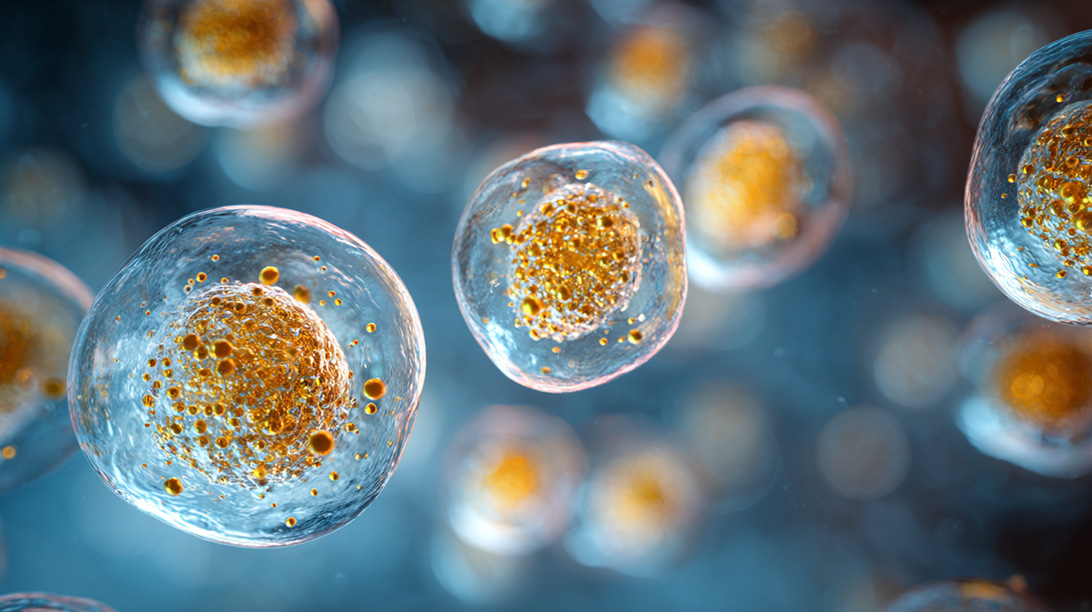
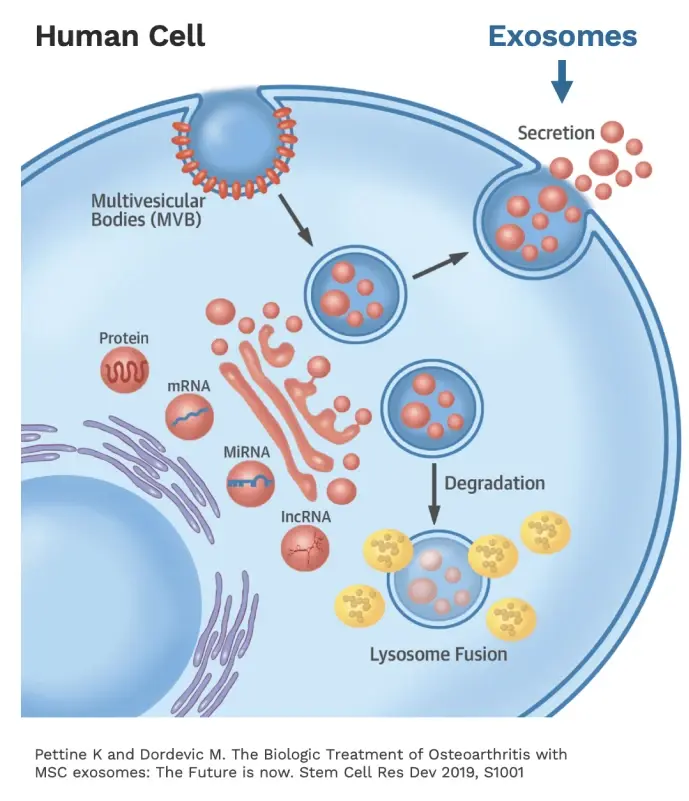
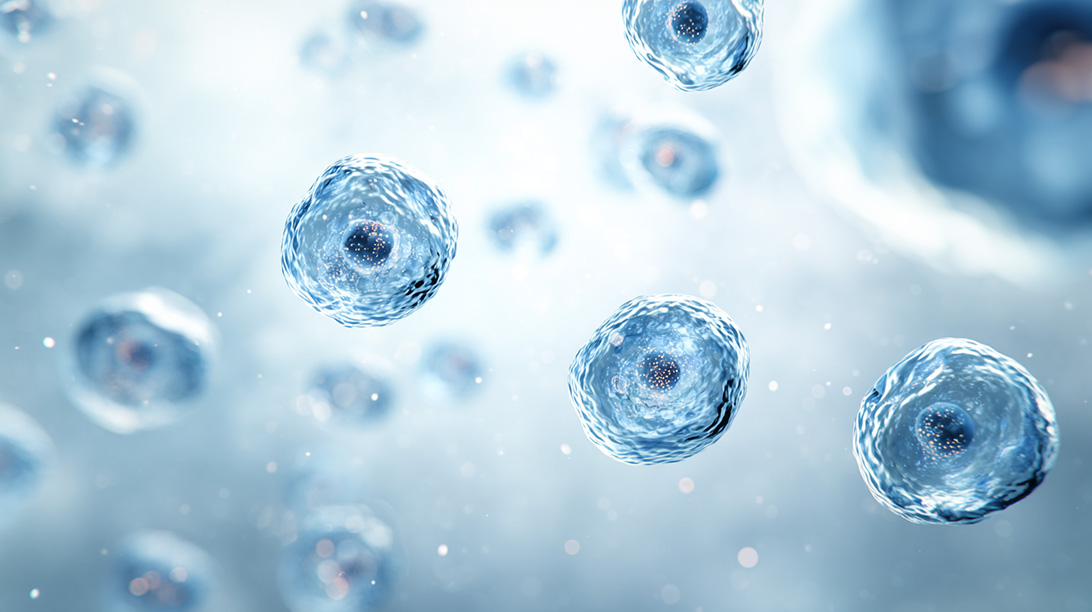
Exosomes are a type of extracellular vesicle produced in the endosomal compartment of eukaryotic cells, with specialized functions in various physiological processes. They are composed of a lipid bilayer membrane and typically range from 50 to 100 nm in size.

Due to their endosomal origin, exosomes carry a high concentration of small nucleic acids and protein cargo. EVs are released by many different cell types. Depending on their origin, they can alter the fate of recipient cells according to the information transferred.

Their “cargo” is very cell-specific, loaded with microRNAs (miRNA) and other bioactive contents including RNA, lipids, enzymes, and cell-surface proteins.

The messengers

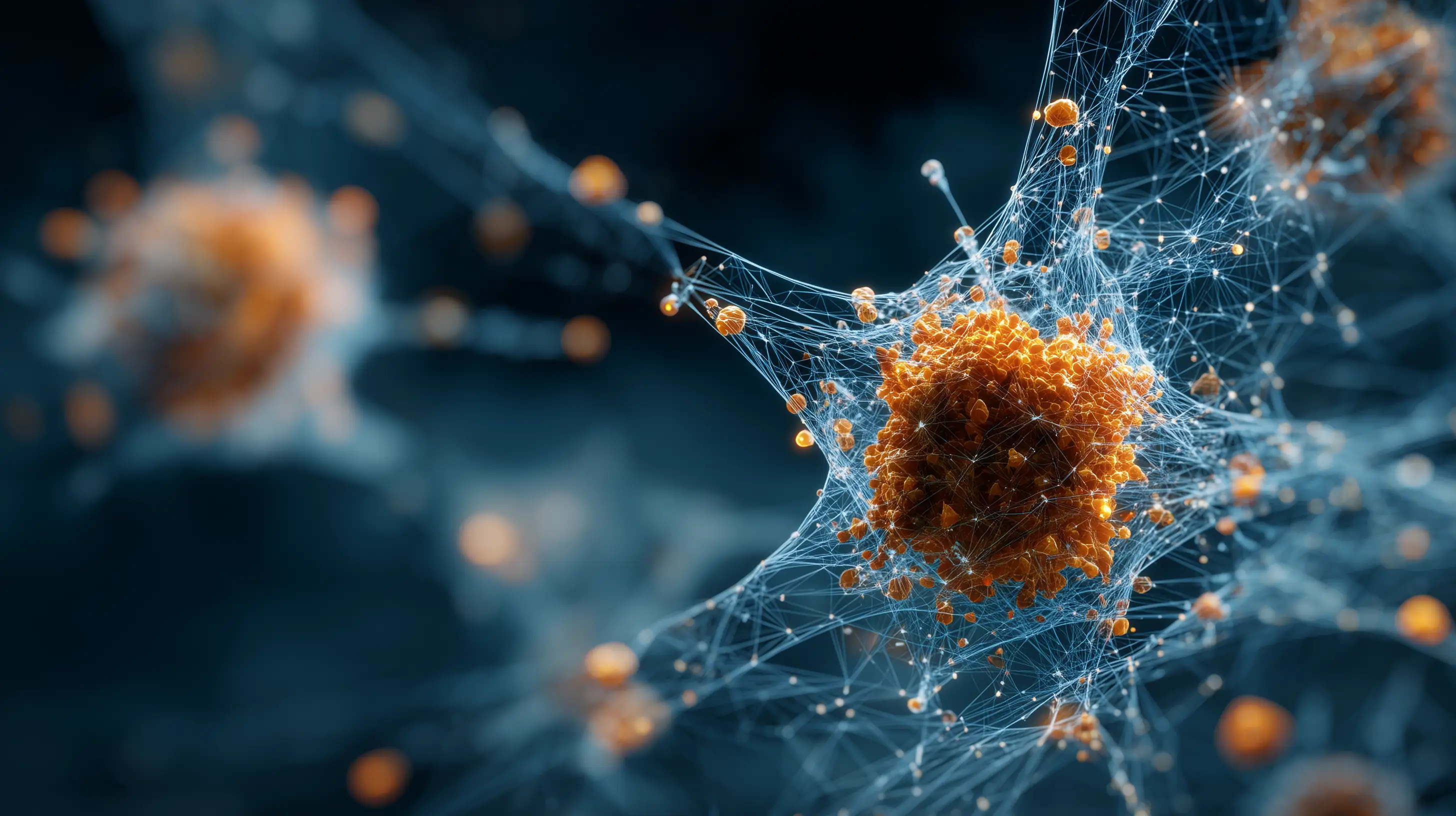
Extracellular vesicles (EVs) consist of bioactive proteins, and other nanoparticles, which are released directly from the cell membrane. EVs can mediate cell–cell communication and are involved in many processes, including immune signaling, angiogenesis, stress response, senescence, proliferation, and cell differentiation.

EV’s are involved in restoring tissue and organ damage, and may partially explain the paracrine effects observed in stem cell-based therapeutic approaches. The function and content of EVs may also harbor information that can be used in tissue engineering, in which paracrine signaling is employed to modulate cell recruitment, differentiation, and proliferation. 1

Growth factors & cytokines

Growth factors are proteins that may act locally or systemically to affect the growth of cells in several ways. Various cell activities, including division, are influenced by growth factors.

Cytokines are small proteins that are crucial in controlling the growth and activity of other immune system cells and blood cells. When released, they signal the immune system to do its job. Cytokines affect the growth of all blood cells and are responsible for regulating the immune response, inflammation, tissue remodeling and cellular differentiation.

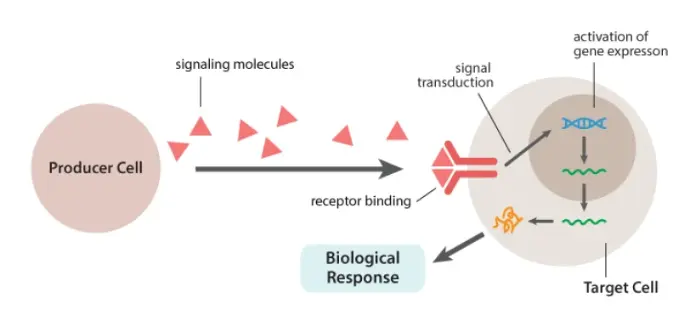
Paracrine signaling is a form of cell-to-cell communication in which a cell produces a signal to induce changes in nearby cells, altering the behavior of those cells. Signaling molecules known as paracrine factors diffuse over a relatively short distance (local action), as opposed to endocrine factors (hormones which travel considerably longer distances via the circulatory system), juxtacrine interactions, and autocrine signaling.3
REFERENCES:
1 Extracellular Vesicles: Potential Roles in Regenerative Medicine Olivier G. De Jong, Bas W. M. Van Balkom, Raymond M. Schiffelers, Carlijn V. C. Bouten, Marianne C. Verhaar. Front Immunol. 2014; 5: 608.
2 Effie Ioannidou, “ Therapeutic Modulation of Growth Factors and Cytokines in Regenerative Medicine”, Current Pharmaceutical Design (2006) 12: 2397.
3 U.S. National Library of Medicine, G04.085.600, Paracrine Communication, Cellular signaling in which a factor secreted by a cell affects other cells in the local environment.

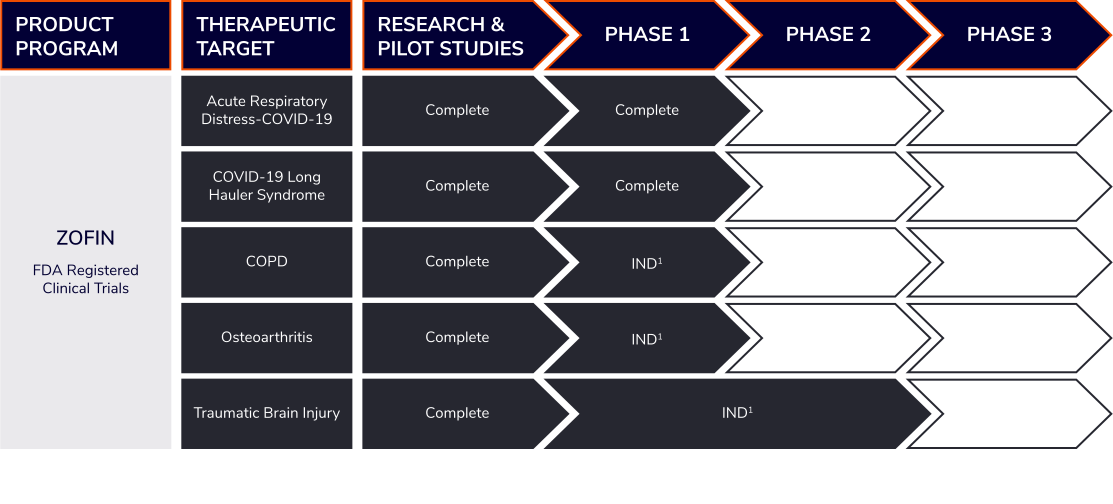
clinical research and development

One of the nation’s leading therapeutics research company pioneering innovative nano-technologies to address a broad range of critical medical conditions.

ind clinical trial pipeline

IRB Approved Clinical trials

Regenerate your practice Revenue